Sad Cat Body Language: Signs, Causes & What to Do
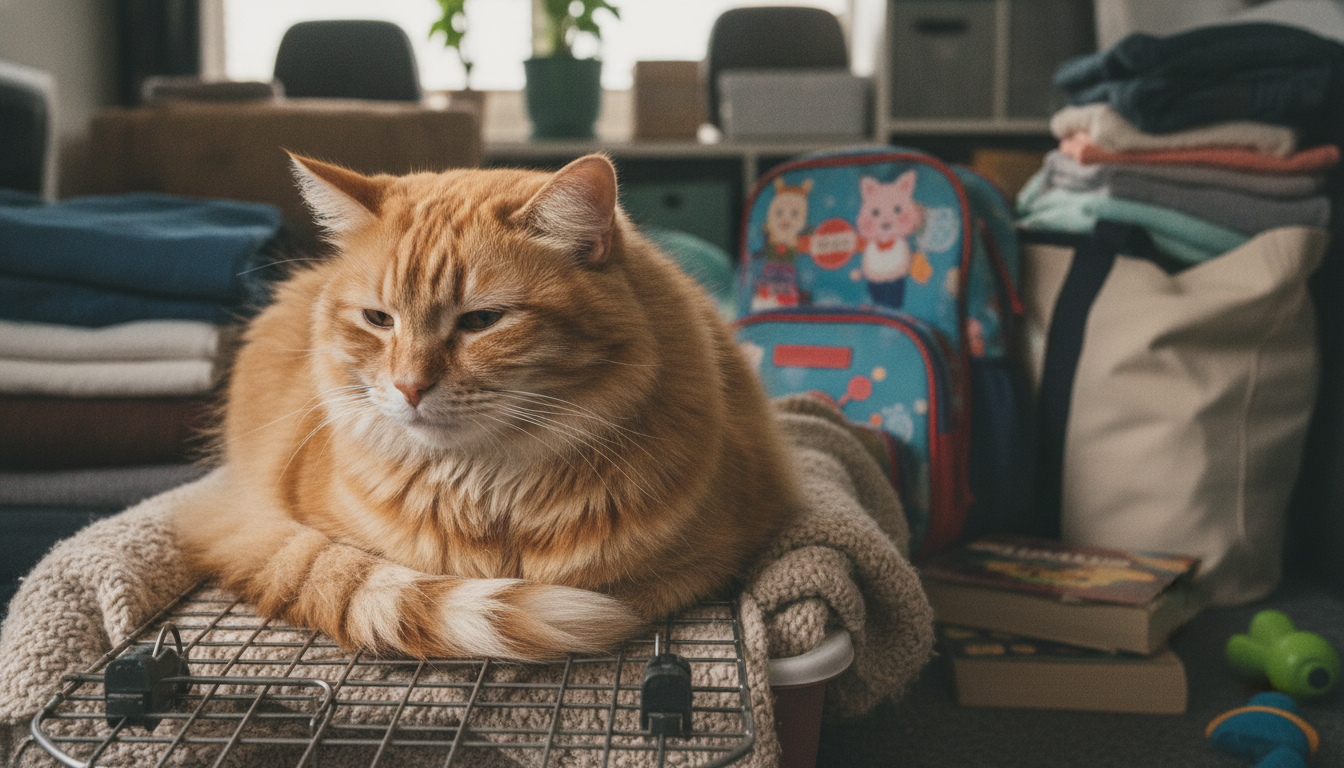
How to tell if a cat is sad body language?
Sadness in cats often shows up as a “smaller” version of their usual selves—less social, less curious, and more guarded. While no single pose proves a cat is sad, a consistent cluster of body-language changes (especially paired with shifts in routine) can be a strong clue.
Common sad cat body language signs
Low, tucked posture: A sad or emotionally shut-down cat may crouch with the body held close to the ground, tail tucked or wrapped tightly around the legs.
Ears slightly back or to the sides: Not the fully flattened “fear/aggression” look, but a persistent sideways/back angle can signal discomfort or low mood.
Half-closed eyes and reduced facial animation: Slow blinking can be relaxed, but a dull, heavy-lidded look paired with low engagement may indicate something is off.
Tail held low with minimal movement: A neutral-to-low tail that stays still can reflect reduced confidence or enthusiasm.
Hiding or distancing: Spending more time under beds, in closets, or avoiding favorite people can be a major behavioral clue that matches sad body language.
What to compare it to
The most useful reference point is your cat’s normal. Some cats are naturally quiet, independent, or low-energy. Sadness is more likely when you notice a clear change—less greeting at the door, fewer head-bumps, decreased play, or a new reluctance to be touched.
When body language may signal more than sadness
Cats often “look sad” when they’re actually in pain or stressed. Watch for appetite changes, litter box issues, over-grooming, hiding that escalates, growling when handled, or sudden sleep pattern shifts. If these appear or the mood change lasts more than a day or two, a vet check is a smart next step.
What you can do right away
Offer calm, predictable routines, gentle play invitations, and a safe retreat space. Keep interactions low-pressure (let your cat come to you). For a deeper breakdown of specific postures and what they tend to mean, visit How to tell if a cat is sad body language?.
FAQ
Why is my cat suddenly hiding more than usual?
Increased hiding can be a stress response, a sign of illness or pain, or a reaction to changes in the home (new pet, visitors, noise). If it’s new and persists beyond 24–48 hours or comes with appetite or litter box changes, contact a veterinarian.












Leave a comment